
Water in Your Basement After Heavy Rain? What's Causing It and What to Do Next
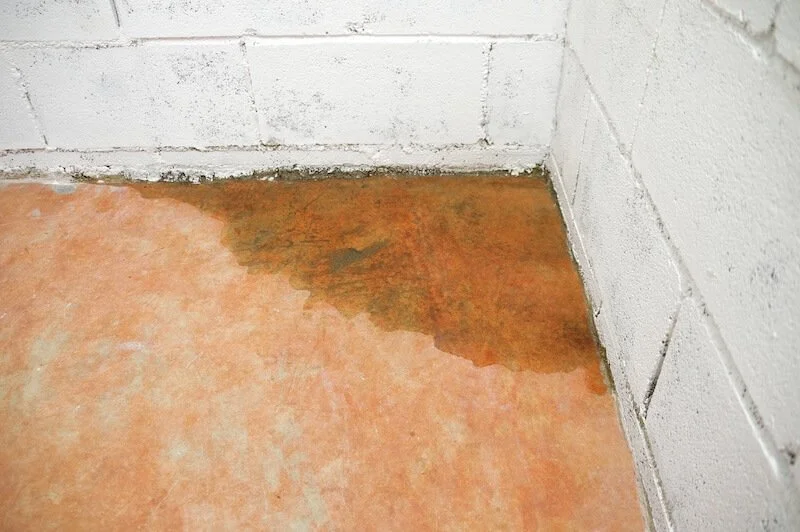
A heavy fall rain moves through Cleveland, and a few hours later you head downstairs to find water in the basement. Maybe it's a small puddle near the wall. Maybe the carpet is soaked. Or maybe this isn't the first time you've found water downstairs after a storm.
Fall can be a tough season for Northeast Ohio basements. Saturated soil, falling leaves, clogged gutters, and sump pumps that haven't had much work all summer can all contribute to water finding its way inside.
The first priority is figuring out where the water came from and getting the basement dry. Even if the visible water disappears, moisture can remain in drywall, flooring, insulation and framing.
Here's what to check, what you can safely handle yourself, and when it's time to bring in a professional.
Why basements take on water in the fall
Cleveland homes deal with plenty of rain throughout the year, but fall creates a particular combination of conditions around the foundation.
The ground may already be saturated when another round of rain moves through. Leaves and debris collect in gutters. Downspouts can clog or dump water too close to the house. Basement window wells can fill faster than they drain.
Older homes throughout Cleveland and Northeast Ohio may also have foundation cracks or drainage systems that have changed or deteriorated over time.
The result is more water collecting around the foundation and more opportunities for it to find a way inside.
Saturated soil around the foundation
Soil can only absorb so much water. During periods of repeated rain, the ground around your house may become saturated.
That creates pressure against basement walls and floors. Water can begin entering through cracks, joints or other openings that may stay completely dry during lighter rain.
If your basement only gets wet after several days of rain or during especially heavy storms, saturated soil may be part of the problem.
Gutters and downspouts aren't moving water away from the house
Your roof collects a large amount of rainwater during a storm. The gutter system's job is to collect that water and send it away from the foundation.
When gutters are clogged with fall leaves, water can spill over the edge and land directly beside the house. A clogged, disconnected or poorly positioned downspout can cause the same problem.
That extra water has to go somewhere.
Window wells are filling with water
Basement window wells can collect rainwater, especially when drainage is blocked by leaves, soil or debris. If enough water builds up, it can eventually find its way around the window.
Look for staining, dampness or debris around basement windows after a storm. Water concentrated in one area near a window can be a useful clue when you're trying to identify where the leak started.
Foundation cracks are giving water a path inside
A crack doesn't have to be large to let water through.
You may notice a thin line of moisture along a basement wall, water collecting where the wall meets the floor or a damp area that appears in the same place after every heavy rain.
Repeated water intrusion deserves attention even when the amount of water seems small. Each event can add moisture to drywall, flooring, framing or belongings stored nearby.
Your sump pump didn't keep up
A sump pump may sit quietly for months and then suddenly have to handle a large amount of water during a fall storm.
If the pump doesn't turn on, can't keep up or fails during the storm, the sump pit can overflow and leave you with a wet basement.
That makes fall a good time to check the pump before the next stretch of heavy rain.
Check your gutters and downspouts
If you find water in your basement after rain, take a look at what's happening outside once conditions are safe.
Start from the ground. Look for water spilling over gutter edges, disconnected downspouts, sections that appear to be pulling away from the house and areas where water is pooling beside the foundation.
Also check where your downspouts end. If they're releasing water directly beside the house, rainwater may be soaking the soil around your basement instead of moving away from it.
Fall leaves make these problems especially common in Northeast Ohio. Our guide to why clean gutters matter explains how clogged gutters can contribute to roof, siding and foundation problems as leaves build up.
If the gutters simply need to be cleared, a local gutter cleaning service or landscaper can take care of the cleanout safely. Don't climb onto the roof or a ladder after a storm to investigate.
If gutters are damaged, pulling away from the house or aren't properly handling the amount of water coming off the roof, replacement may be the better fix. Integrated Restoration's exterior restoration team handles gutter replacement along with roofing and siding work.
From the Field
When we're looking at water damage inside a home, we don't only look at the wet spot. Where the water is coming from matters just as much.
A basement leak that keeps returning after storms may have an exterior drainage issue contributing to it. Finding that source helps prevent another cleanup after the next heavy rain.
Is your sump pump ready for heavy rain?
A sump pump is easy to forget about when it's working.
That's also why problems sometimes aren't discovered until the basement is already taking on water.
You can do a simple test before a storm. Pour water into the sump pit until the water level rises enough to activate the pump. It should turn on, remove the water and shut back off.
If nothing happens, or the pump struggles to remove the water, it needs attention.
Other signs of a possible sump pump problem include:
Unusual grinding, rattling or humming noises
A pump that runs constantly
Visible rust or corrosion
Water rising unusually high in the pit
A pump that doesn't turn on when the water level rises
Age matters too. If you don't know how old the pump is or when it was last serviced, it's worth having it checked before you have to depend on it during a storm.
A backup power source can also matter during severe weather. The same storm bringing heavy rain can knock out power, leaving an electric sump pump unable to run when it's needed most.
If you've dealt with seasonal basement flooding before, our guide to protecting your basement from spring flooding covers additional ways to prepare for periods of heavy rain.
Found water? What to do in the first few hours
Once water is inside, focus on safety first and cleanup second.
Stay out of standing water if electricity could be involved
If water has reached outlets, electrical equipment, appliances or anything connected to power, don't walk into it.
The electrical risk needs to be addressed before cleanup begins.
If sewage or a drain backup may be involved, avoid contact with the water and call a professional. This isn't the kind of basement water you should handle with a shop vac and towels.
Take photos before you start moving things
Document what you found, including where the water entered, how much of the basement is affected and any damaged belongings.
Take photos before removing water or moving damaged materials when it's safe to do so.
If you plan to file an insurance claim, those photos can help document the condition of the basement when you discovered the damage. Coverage varies by policy, so check with your carrier. Integrated Restoration's Insurance Support team can also help with documentation and communication during the restoration process.
Move belongings somewhere dry
Move boxes, furniture, rugs and other belongings away from the wet area if you can do it safely.
Pay particular attention to cardboard boxes and other absorbent materials sitting directly on the basement floor. They can pull moisture up quickly and hold it long after the floor looks dry.
Don't move wet items into another finished area of the house where they can spread moisture.
Remove the water
For a very small amount of clean water, towels, a mop or a wet/dry vacuum may be enough.
More significant flooding is different. If water covers a large portion of the basement, has soaked finished walls or flooring, or continues entering while you're trying to remove it, professional water extraction and drying may be needed.
Our residential water restoration team handles water removal, drying and repairs throughout Cleveland and Northeast Ohio.
The faster wet materials are addressed, the better the chance of limiting damage. Our guide to the first 24 hours after water damage walks through what happens during that early window and why drying involves more than removing the water you can see.
When "it dried on its own" isn't the end of it
One of the trickiest things about basement water is how quickly the visible evidence can disappear.
The puddle is gone. The concrete looks dry. Maybe you ran a fan for a day and everything seems back to normal.
But water doesn't stay on the surface.
Drywall can wick moisture upward from the floor. Carpet padding can stay wet underneath carpet that feels dry on top. Water can reach behind baseboards, underneath flooring and into wall cavities.
Framing and subfloor materials can also hold moisture longer than you'd expect.
Mold can begin growing in damp materials within 24-48 hours, which is one reason proper drying matters after a basement flood.
From the Field
"Everything dried up, so we thought it was fine" is something restoration teams hear often.
The problem is usually the material you can't see. A dry surface doesn't tell you whether the padding underneath it, the back of the drywall or the framing inside the wall has dried too.
Repeated basement water causes damage to build up
A little water after one storm may not look like an emergency. But if the same basement gets wet every few months, materials may never get a chance to fully recover.
Repeated moisture can lead to damaged drywall, warped flooring, deteriorated trim and mold growth.
It can also make it harder to tell which damage is new. A stain along a basement wall may be from last week's storm, or it may be evidence of a moisture problem that's been developing for months.
If you're trying to understand why water keeps showing up, our guide to common causes of water damage in Northeast Ohio homes covers plumbing, roofing, appliances, weather and other sources worth checking.
And if the water is gone but you're starting to notice an earthy or musty odor downstairs, that smell can be a sign that moisture is still hanging around.
From the Field
A repeated basement water job can show why the cleanup isn't always finished when the standing water is gone. We'll add details from a recent Integrated Restoration project here, including what was causing the repeated water intrusion, what materials were damaged, and what the team found during cleanup.
When to call a professional
Not every wet basement requires a restoration crew. A small amount of clean water that you catch quickly may be something you can dry yourself.
The situation changes when water has spread into materials you can't easily dry or when you aren't sure how far the moisture traveled.
It's a good idea to call a professional if:
There's standing water across part of the basement
Water keeps coming back after heavy rain
Drywall, carpet, or carpet padding is wet
You notice a musty smell after the basement dries
The water came from a sewage or drain backup
You see visible mold
You aren't sure whether the area is completely dry
Professional water restoration isn't just about extracting standing water. Moisture meters and other equipment can help identify water that has traveled into walls, flooring and other materials.
If wet drywall, flooring or other building materials need to be removed, the next step is drying the affected area before repairs begin. Integrated Restoration handles both water damage restoration and the repairs needed afterward, so homeowners aren't left coordinating separate companies for cleanup and reconstruction.
If mold is already visible or discovered during the drying process, professional mold remediation may also be necessary.
How to reduce the chance of another wet basement
Once the basement is dry, go back to the reason the water got inside.
If the problem happened during heavy rain, start outside. Check whether gutters are overflowing, downspouts are disconnected or water is collecting near the foundation. A local gutter service or landscaper can help with routine gutter cleaning and drainage concerns.
Test your sump pump periodically, especially before stretches of wet weather. If it isn't activating properly or you're seeing signs of failure, have it serviced or replaced before the next storm.
Inside, pay attention to the places that got wet. New staining, peeling paint, warped trim, or a musty smell can indicate that moisture is still present or that water has returned.
A basement that gets wet every time it rains isn't something to get used to. The pattern itself is useful information. Note where the water first appears and what the weather was doing at the time. That can help you or a professional narrow down the source.
Frequently asked questions
Does homeowners insurance cover water in the basement from rain?
It depends on your policy and how the water entered the home. Different policies and endorsements handle water damage differently, and sump pump or water backup coverage may be separate from a standard homeowners policy.
Check directly with your insurance carrier for information about your coverage. If you're dealing with a restoration claim, Integrated Restoration's Insurance Support team can help document the damage and work with your adjuster during the repair process.
Is a little water in the basement normal after heavy rain?
Water in a basement isn't something to ignore just because the amount is small.
A puddle that appears after one unusually severe storm may have a different cause than water that returns after every rainfall. If it keeps happening, look for problems with gutters, downspouts, window wells, the sump pump, or other places water may be getting inside.
Repeated moisture can damage building materials even when each individual leak seems minor.
Can I clean up basement water myself with a shop vac?
For a small amount of clean water in a limited area, a wet/dry vacuum may help remove the water you can see.
Don't use one if there may be an electrical hazard or if the water contains sewage or other contamination. You should also consider professional drying if water has reached drywall, insulation, carpet padding, or other materials that can hold moisture below the surface.
How fast does mold grow in a wet basement?
Mold can begin growing on damp materials within 24-48 hours under the right conditions. That doesn't mean every wet basement will have mold after two days, but it does mean drying shouldn't be put off.
If you notice visible growth or a persistent musty smell after water damage, the area should be evaluated rather than covered, painted, or closed back up.
Why does my basement smell musty after it rains?
A musty smell often points to lingering moisture somewhere in the basement. Damp carpet padding, drywall, stored cardboard, condensation, a wet sump area or moisture behind finished walls can all contribute.
If the smell returns whenever it rains or doesn't improve as the basement dries, there may still be a moisture source that needs to be found.
Finding water in your basement after heavy rain doesn't automatically tell you where the problem started. Get the area dry, document what happened, and pay attention to whether the water returns during the next storm. If materials stayed wet or the problem keeps coming back, that's when a closer look becomes important.