The Most Common Causes of Water Damage in Northeast Ohio Homes (and How to Prevent Them)
Water damage is one of the most common issues homeowners face in Northeast Ohio. Between heavy snow, spring storms, and frequent freeze–thaw cycles in the Cleveland area, even small leaks can quickly turn into significant property damage.
In many cases, water damage starts with a problem that goes unnoticed — a small roof leak, an aging appliance hose, or a pipe that freezes during a cold snap. The good news is that many of the most common causes of water damage are preventable with regular maintenance and early detection.
Here are some of the most common causes of water damage in homes and what you can do to reduce the risk.
Roof Leaks and Storm Damage
Your roof is your home’s first line of defense against Northeast Ohio’s unpredictable weather. Over time, wind, snow, ice, and heavy rain can weaken shingles, flashing, and other roofing components.
Small roof leaks can allow water to enter attics, ceilings, and wall cavities — often without being noticed until stains or drywall damage appear.
Common warning signs include:
Water stains on ceilings or walls
Missing or damaged shingles
Damp insulation in the attic
Leaks during heavy rain or snowmelt
How to prevent roof-related water damage:
Schedule regular roof inspections
Clear debris from gutters and downspouts
Check your roof after major storms
Address damaged shingles or flashing promptly
Roof issues that go untreated can quickly lead to interior water damage and mold growth.
Frozen or Burst Pipes
Frozen pipes are a frequent cause of water damage during Cleveland’s cold winter months. When water inside a pipe freezes, it expands, which can cause the pipe to crack or burst. When temperatures rise again, water can flood surrounding areas.
Pipes located in exterior walls, crawl spaces, and unheated basements are particularly vulnerable.
Prevention tips include:
Insulate exposed pipes
Keep your home heated during cold snaps
Open cabinet doors to allow warm air around plumbing
Allow faucets to drip slightly during extreme cold
Even a small pipe break can release large amounts of water in a short period of time.
Appliance and Plumbing Failures
Household appliances that rely on water connections can also be a hidden source of leaks.
Some of the most common culprits include:
Washing machines
Dishwashers
Refrigerators with water lines
Water heaters
Over time, hoses and connectors can weaken or crack. Many homeowners only discover these leaks after water has already damaged flooring or drywall.
Preventive steps include:
Inspect appliance hoses regularly
Replace rubber hoses with braided steel lines
Check for moisture around appliances
Replace aging water heaters before failure
Routine maintenance can significantly reduce the risk of unexpected leaks.
Basement Seepage and Foundation Issues
Basement water intrusion is another common issue in Northeast Ohio homes. Heavy rain, melting snow, and saturated soil can cause water to seep through small foundation cracks or poorly sealed basement walls.
Homes with older foundations or poor drainage around the property may be especially vulnerable.
Common warning signs include:
Damp basement walls
Musty odors
Standing water after storms
Efflorescence (white mineral deposits on concrete)
Ways to reduce risk include:
Keep gutters clean and functioning properly
Extend downspouts away from the home
Ensure the ground slopes away from your foundation
Seal visible cracks in basement walls
Addressing drainage issues early can help prevent more serious structural damage.
Ice Dams During Winter
Ice dams are another common water damage issue in colder climates like Northeast Ohio.
They form when warm air in the attic melts snow on the roof. The water then refreezes at the colder roof edges, creating a barrier that traps additional melting snow behind it. Eventually, the trapped water can seep under shingles and into the home.
To help prevent ice dams:
Improve attic insulation
Ensure proper attic ventilation
Remove heavy snow buildup from the roof when possible
Ice dams can cause hidden damage inside ceilings and walls if left unaddressed.
What to Do If You Discover Water Damage
If you notice water damage in your home, acting quickly is important. The longer moisture remains in building materials, the more extensive the damage can become.
If it’s safe to do so:
Stop the source of the water if possible
Document the damage with photos or videos for insurance
Begin drying affected areas immediately
Contact a professional restoration company
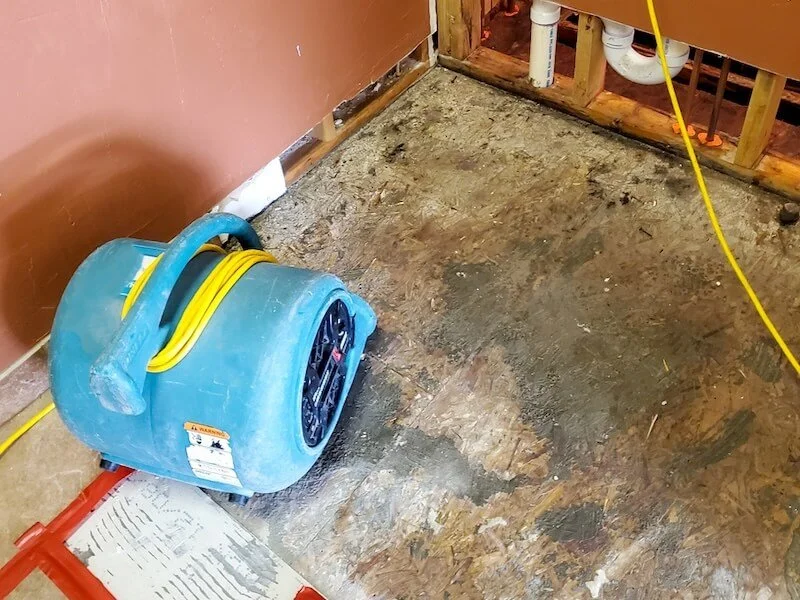
Professional restoration teams use specialized equipment such as air movers, dehumidifiers, and moisture detection tools to fully dry affected areas and prevent secondary damage.
Protecting Your Home from Water Damage
While not every water damage incident can be prevented, regular maintenance and early detection go a long way in protecting your home.
Pay attention to small warning signs like minor leaks, musty odors, or unexplained stains. Addressing these issues early can often prevent larger restoration projects down the road.
If water damage does occur, quick action can help minimize repair costs and restore your home safely.
Need Help with Water Damage in Cleveland?
If you discover water damage in your home, the Integrated Restoration team is here to help.
As a family-owned restoration company serving Cleveland and Northeast Ohio, we provide professional water extraction, structural drying, and repair services to help homeowners recover quickly.
If you suspect water damage or need immediate assistance, contact our team today to schedule an inspection or request emergency service.