The Real Cost of Delaying Water Damage Repairs
In Northeast Ohio, water damage rarely happens at a convenient time. A small roof leak after a snowstorm. A slow drip from a frozen pipe. Basement seepage during a rapid freeze–thaw cycle.
And often, the first instinct is to wait.
Many homeowners and facility managers hope the issue will dry out on its own. But in Cleveland’s climate — especially during winter temperature swings — delaying water damage repairs almost always makes the problem worse.
At Integrated Restoration, we regularly see small issues turn into major restoration projects simply because action wasn’t taken quickly. Here’s what delaying really costs — financially, structurally, and emotionally — and why early intervention matters.
The Structural Cost: Damage Spreads Faster Than You Think
Water rarely stays where it starts.
A roof leak may appear as a small ceiling stain — but behind that drywall, moisture could be soaking insulation, framing, and electrical systems.
A slow pipe drip in a basement can seep into flooring, trim, and wall cavities.
During freeze–thaw cycles, expansion and contraction widen small cracks, allowing more moisture to enter each time temperatures fluctuate.
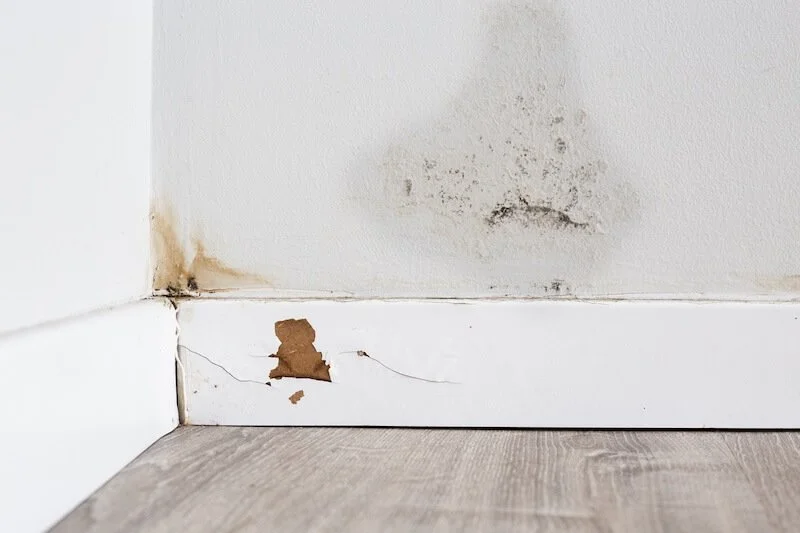
By the time visible damage appears, hidden deterioration may already be underway.
Learn more about how we address these issues through our Residential Water Restoration Services
The Mold Risk: 24-48 Hours Is All It Takes
Mold can begin developing within 24–48 hours of water exposure.
What starts as a damp drywall panel can quickly become:
Musty odors
Air quality concerns
Discoloration on walls or ceilings
Hidden mold behind insulation
For commercial properties, mold can mean disrupted operations, liability concerns, and congregation or employee safety issues.
Addressing moisture immediately is far less expensive than full-scale Mold Remediation later.
The Financial Cost: Small Repairs Become Major Restorations
Here’s what we often see in Northeast Ohio:
If addressed early:
Minor drywall patch
Targeted drying
Small roofing repair
If delayed:
Full drywall removal
Structural drying
Flooring replacement
Electrical repairs
Interior repainting
Possible mold remediation
For commercial buildings, delayed repairs may also mean business interruption, canceled services, or lost revenue.
The longer water remains in structural materials, the larger the restoration scope becomes.
The Insurance Impact
Many homeowners hesitate to call because they’re unsure how insurance fits in.
In reality, early documentation often strengthens a claim.
Delays can create complications, especially if:
Damage worsens significantly
Mold develops
The source of intrusion isn’t addressed
Reporting windows expire
Our team works directly with property owners to document moisture levels, photograph damage, and coordinate with adjusters. Learn more about the process here: Insurance Support
The Emotional & Operational Cost
Water damage is stressful — and the longer it lingers, the more disruptive it becomes.
For homeowners:
Uncertainty about safety
Concern about hidden mold
Disruption to daily life
For commercial properties:
Closed offices or sanctuary spaces
Scheduling disruptions
Safety concerns for occupants
Reputation impact
Early intervention restores stability faster.
Freeze–Thaw Cycles: Why Timing Matters in Cleveland
Northeast Ohio winters create a unique pattern:
Snow melts during warmer daytime temperatures
Water enters cracks in roofs, siding, or foundations
Overnight freezing expands moisture
Cracks widen
The cycle repeats
Each cycle increases the amount of water intrusion.
If you’ve recently experienced roof stress or storm exposure, review our guidance on Storm Damage Services and Exterior Restoration.
When to Call a Professional
You should call a restoration company if you notice:
Recurring leaks
Ceiling stains
Damp or musty odors
Wet carpet or flooring
Warped drywall
Water after heavy rain or snow melt
If you’re unsure whether damage is significant, it’s better to schedule an assessment than to wait.