How Mold Starts After Water Damage - and What Homeowners Should Watch For
Water damage doesn’t always end once the visible water is gone. In many homes and commercial properties across Northeast Ohio, moisture left behind after a leak or flood can create the perfect conditions for mold growth.
In fact, mold can begin developing within 24–48 hours of water exposure if materials like drywall, carpeting, insulation, or wood framing remain damp.
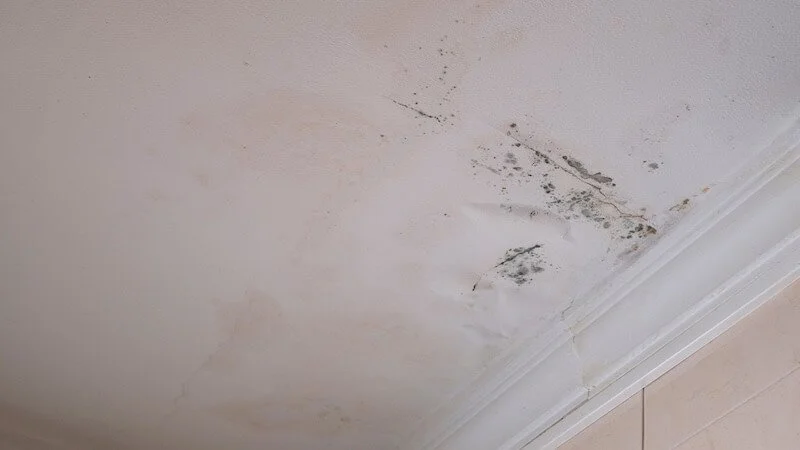
Because mold often grows in hidden areas — behind walls, under flooring, or inside ceiling cavities — property owners may not realize there’s a problem until musty odors or visible spots appear.
Understanding how mold develops after water damage can help homeowners act quickly and prevent larger restoration issues.
Why Mold Often Appears After Water Damage
Mold spores naturally exist in the air both indoors and outdoors. Under normal conditions, they typically remain harmless. However, when moisture and organic materials combine, mold can grow quickly.
Common materials that support mold growth include:
Drywall
Wood framing
Ceiling tiles
Carpet and padding
Insulation
Wallpaper and adhesives
Even when surfaces appear dry, moisture can remain trapped inside building materials. Without proper drying, mold spores can begin multiplying within a matter of days. This is why professional moisture detection and structural drying are often necessary after water damage.
Learn more about the most common causes of water damage in Northeast Ohio.
Common Causes of Water Damage That Lead to Mold
Mold problems often begin with water damage that initially seemed minor or went unnoticed. When moisture remains trapped in building materials, mold spores can begin growing quickly.
Below are some of the most common sources of moisture that lead to mold growth.
Plumbing Leaks
Undetected plumbing leaks are one of the most common causes of mold inside homes and commercial buildings.
Slow leaks behind walls, under sinks, or around pipe connections can allow moisture to accumulate for long periods without being noticed.
Common warning signs include:
Musty odors near sinks or cabinets
Warped or soft drywall
Discoloration around plumbing fixtures
Unexpected increases in water bills
Because these leaks are often hidden, mold may develop long before the problem is discovered.
Roof Leaks
Damaged roofing materials or clogged gutters can allow water to enter attic spaces and ceiling cavities. Once inside, moisture can saturate insulation, drywall, and wood framing. If left unaddressed, mold can grow in these areas over time.
Regular roof inspections and prompt repairs can help prevent this type of moisture intrusion.
Appliance Malfunctions
Household appliances connected to water lines can also create hidden moisture problems.
Common appliances that may leak include:
Washing machines
Dishwashers
Water heaters
Refrigerators with water lines
Over time, hoses and connections may weaken or crack. If water seeps beneath flooring or behind cabinets, mold can begin growing in areas that are difficult to detect.
Routine maintenance and hose replacements can help reduce this risk.
Flooding and Severe Weather
Heavy storms, flash flooding, and severe weather events can introduce significant amounts of water into a property.
Floodwater can quickly soak:
Carpeting and padding
Hardwood flooring
Furniture
Drywall and insulation
If these materials are not dried properly within 24–48 hours, mold growth becomes much more likely.
Learn more about storm-related damage.
High Humidity and Condensation
Not all mold problems start with a visible leak.
Areas with high humidity and poor ventilation — such as basements, bathrooms, kitchens, and laundry rooms — can accumulate moisture through condensation.
Over time, this trapped moisture creates the perfect environment for mold growth.
Improving ventilation and controlling indoor humidity levels can help reduce this risk.
Sewage Backups
Sewage backups are one of the most serious causes of water damage and mold contamination.
In addition to introducing large amounts of moisture, sewage water contains bacteria and organic material that accelerate mold growth.
Because of the health hazards involved, sewage-related water damage should always be handled by professional restoration teams.
Foundation and Drainage Issues
Foundation cracks or poor drainage around a home can allow water to seep through basement walls or floors.
This slow moisture intrusion can create damp environments that support mold growth over time.
Warning signs may include:
Damp basement walls
Persistent musty odors
White mineral deposits on concrete surfaces
Water pooling near foundation walls after storms
Addressing drainage issues and sealing foundation cracks can help prevent recurring moisture problems.
Signs Mold May Be Growing in Your Home
Mold isn’t always immediately visible. In many cases, the first signs are subtle.
Common indicators include:
Musty or damp odors
Dark spots or stains on walls and ceilings
Peeling paint or bubbling drywall
Increased allergy symptoms indoors
Warped or soft building materials
If you notice these signs, it may indicate hidden moisture or mold growth within the structure of your home.
Preventing Mold After Water Damage
The most effective way to prevent mold growth is to remove moisture as quickly as possible.
After a leak or flood:
Stop the water source if possible
Remove standing water
Dry affected materials thoroughly
Monitor humidity levels
Contact professionals if moisture remains
Professional restoration teams use air movers, dehumidifiers, and moisture detection tools to ensure building materials are fully dried.
Taking action within the first 24–48 hours greatly reduces the risk of mold growth.
Learn more about our Residential Water Restoration Services.
When to Call a Mold Remediation Professional
If mold is suspected, it’s best to have the issue evaluated by professionals.
You should consider professional remediation if:
Mold is visible on walls or ceilings
Musty odors persist after water damage
Large areas of material appear discolored
Your property recently experienced flooding or significant leaks
Professional remediation ensures mold is safely removed and helps prevent future growth.
Learn more about our Mold Remediation Services.