
Could Your Air Conditioner Be Causing Hidden Water Damage?
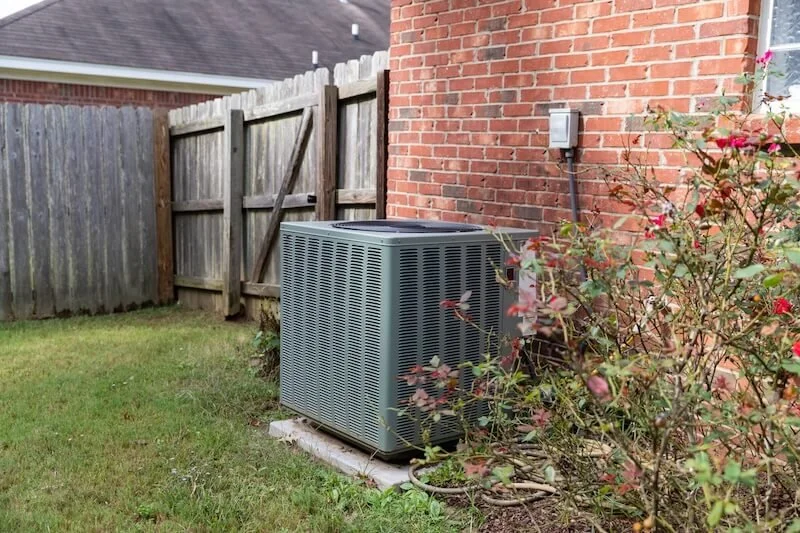
When your air conditioner is running nearly nonstop during a Northeast Ohio heat wave, you're probably thinking about two things: keeping the house comfortable and hoping the electric bill isn't too painful.
Water damage likely isn't on your mind.
But your air conditioner doesn't just cool your home. It also removes moisture from the air, and that moisture has to go somewhere.
When the system is working properly, condensation collects and drains safely away. If a drain becomes clogged, a pan overflows, a coil freezes, or another part of the system isn't working as it should, that water can end up somewhere it doesn't belong.
Sometimes the problem is obvious. You find a puddle around the indoor unit and call your HVAC company.
Other times, the signs are much easier to miss. Water may soak into drywall, insulation, flooring, or the ceiling below an attic unit before you realize there's a problem.
Fixing the air conditioner stops the source of the water. It doesn't necessarily dry the damage the leak left behind.
Here's what Northeast Ohio homeowners should know about AC-related water damage, what to look for, and when an HVAC problem may also require professional water damage restoration.
Why Is There Water Coming From My Air Conditioner?
Some moisture around an air conditioning system is completely normal.
Warm indoor air contains moisture. As your AC pulls that warm air across the cold evaporator coil, water vapor condenses into liquid, much like the condensation that forms on the outside of a cold glass during the summer.
Your system is designed to manage that water.
Condensation typically drips into a drain pan and travels through a condensate drain line, where it's safely carried away from the unit.
During a hot, humid Northeast Ohio summer, your AC may run for hours at a time. That means it's removing a considerable amount of moisture from your home's air every day.
As long as the drainage system is working correctly, you probably won't notice any of it.
When something interrupts that process, water can begin collecting around the unit or leaking into nearby building materials.
From the Field
A puddle around an air conditioner can look like a simple HVAC problem.
Sometimes it is.
What homeowners can't always see is where that water traveled before the puddle appeared. Depending on the location of the unit, moisture may have already reached drywall, insulation, subflooring, baseboards, or the ceiling below.
That's why stopping the leak is only the first question.
The next question is: What got wet?
Common Reasons Air Conditioners Cause Water Damage
There are several ways an AC system can go from removing moisture to putting moisture back into your home.
The HVAC repair itself should be handled by a qualified HVAC professional. From a restoration standpoint, though, understanding what happened can help determine where water may have traveled and what needs to be checked afterward.
A Clogged Condensate Drain Line
Condensate drain lines can become clogged with dust, dirt, algae, or other buildup over time.
When the water can't drain properly, it begins backing up.
Depending on your system, that may cause the AC to shut down. In other cases, water can overflow the drain pan and spread into the surrounding area.
If the unit is in a basement or utility room with a hard floor and the leak is caught quickly, the damage may be minimal.
An air handler located in an attic or above a finished ceiling is a different story. Water can soak into insulation and drywall before a homeowner sees the first ceiling stain.
An Overflowing or Damaged Drain Pan
The drain pan beneath your indoor AC unit is designed to catch condensation and direct it toward the drain line.
Over time, pans can crack, rust, shift, or deteriorate.
If the pan can't hold or properly drain the water being produced by the system, moisture can spill into surrounding materials.
This is especially important for older systems and AC equipment installed in attics, closets, or other finished areas of the home.
A Frozen Evaporator Coil
Seeing ice on an air conditioner during a 90-degree day may seem strange, but evaporator coils can freeze.
Restricted airflow, dirty filters, mechanical issues, or refrigerant problems can all contribute to ice forming on the coil.
Once that ice melts, the resulting water may overwhelm the drain pan or drainage system.
The HVAC issue needs to be diagnosed and repaired, but homeowners should also check the surrounding area for signs that the melting water spread beyond the unit.
A Disconnected or Damaged Drain Line
Sometimes the problem is surprisingly simple.
A condensate drain line can loosen, crack, or become disconnected. The AC continues doing exactly what it's supposed to do, but instead of draining the condensation away from the home, the water empties into the surrounding area.
Because the amount of water at any one moment may be relatively small, these leaks can continue for quite some time before anyone notices.
That's exactly the type of slow moisture problem that can lead to damaged building materials and mold growth.
Condensation Around Ductwork
Not every AC-related moisture problem comes from the unit itself.
Cold ductwork running through a hot, humid attic, basement, or crawl space can develop condensation when conditions are right.
Think about that cold glass of water again.
If warm, humid air reaches a cold duct surface, moisture can collect on the outside. Poor insulation, damaged duct insulation, or unusually high humidity can make the problem worse.
Over time, repeated condensation can affect nearby insulation, ceiling materials, wood framing, or other surfaces.
If you're noticing moisture around vents or persistent dampness near ductwork, it's worth finding out why.
Where AC Water Damage Can Hide
This is where a relatively straightforward HVAC leak can become a restoration problem.
Water follows the path of least resistance. It can travel along framing, through insulation, beneath flooring, and across ceilings before becoming visible.
Where the damage appears isn't always where the leak started.
An attic AC unit, for example, might leak into insulation first. That insulation holds moisture against the ceiling drywall until a stain finally appears in the room below.
A utility-room leak may work its way beneath finished flooring or behind baseboards.
A slow condensate leak inside a mechanical closet may repeatedly wet the same section of drywall without ever creating a large puddle.
Common hiding places include:
Beneath flooring
Behind baseboards
Inside wall cavities
Above finished ceilings
Within attic insulation
Around ductwork
Under or behind the indoor AC unit
This is why "the leak is fixed" and "the water damage is dry" are two different things.
From the Field
Looking dry isn't the same as testing dry.
A ceiling stain may stop growing once the AC is repaired, but the insulation above it can still be wet. A floor may feel dry while moisture remains underneath it.
At Integrated Restoration, we use professional moisture detection equipment to check the materials around a water loss. That helps us determine where moisture traveled and whether drying is actually needed.
We don't want to guess that an area is dry. We want to verify it.
Signs Your AC Leak May Have Caused Water Damage
If you find water around your air conditioner, don't panic. A small leak caught quickly doesn't automatically mean you need a restoration company.
Take a closer look at the surrounding area.
Signs that water may have spread beyond the HVAC system include:
Yellow or brown stains on ceilings or walls
Bubbling, peeling, or blistering paint
Soft or swollen drywall
Warped baseboards or trim
Buckling or lifting flooring
Damp carpet near the unit
A musty smell
Visible discoloration
Moisture around vents
A stain that continues changing after the HVAC repair
The location of your AC equipment matters too.
If the system is located above finished living space, water can travel quite a distance before you see evidence below. By the time a ceiling stain becomes visible, the materials above it may have already absorbed a significant amount of moisture.
Why a Musty Smell Deserves Attention
A musty odor is easy to dismiss during summer.
Homes are closed up. The AC runs constantly. Basements feel damp. Humidity is high.
But a new or persistent musty smell can be a sign that moisture is lingering somewhere it shouldn't.
If you've recently had an AC leak and begin noticing an odor near the unit, around a vent, or in the room below it, don't assume it will disappear once the HVAC repair is complete.
Moisture may still be trapped inside building materials.
Under the right conditions, mold can begin developing within 24 to 48 hours after water exposure. You may smell a problem before you ever see one.
Does an AC Leak Automatically Mean You Have Mold?
No.
Finding water around your air conditioner doesn't mean mold is growing in your home.
How quickly the leak was discovered, how much water escaped, which materials became wet, and how thoroughly those materials dried all matter.
A small amount of condensation on a hard surface that's cleaned up immediately is very different from a slow leak that's been soaking drywall for a week.
If mold is suspected, it's also important not to make assumptions based on appearance alone. You can't determine the specific type of mold simply by looking at a dark spot or discolored material. Laboratory testing is required to identify mold with certainty when that information is needed.
The first priority after an AC leak is figuring out where the moisture went and whether affected materials are drying properly.
If they're not, addressing the moisture early can help reduce the chance of a mold problem developing later.
Your HVAC Company Fixed the Leak. Are You Done?
Maybe.
If the leak was small, caught immediately, and limited to a nonporous surface, there may be nothing else to do.
But if water reached drywall, insulation, flooring, cabinetry, or other absorbent materials, fixing the HVAC system only addresses the source.
Those wet materials still need to dry.
This is where the roles of an HVAC company and a restoration company are different.
Your HVAC technician diagnoses and repairs the mechanical problem that caused the leak.
A water damage restoration professional evaluates what the water affected afterward.
In some situations, that simply means confirming everything is dry.
In others, professional drying equipment may be needed to remove moisture before it causes additional damage.
You don't necessarily need restoration because your AC leaked. You may need restoration because of what the leak got wet.
What Should You Do If You Find Water Around Your Air Conditioner?
Finding water around your AC doesn't automatically mean you have a major restoration project on your hands.
The first step is to stop the source.
Turn off the system if water is actively leaking and contact an HVAC professional to diagnose the problem. If there's standing water near electrical equipment, don't enter the area or attempt cleanup until it's safe to do so.
Once the HVAC issue is under control, take a look at what the water affected.
If you're dealing with a small amount of water on a hard, nonporous surface, you may be able to clean and dry the area yourself. Towels, fans, and a household dehumidifier can help with minor moisture.
The situation changes when water has reached absorbent building materials.
Drywall, insulation, carpet, wood, and some types of flooring can hold moisture long after the surface feels dry. That's when professional moisture detection becomes valuable.
Take photos of the affected area before you begin cleanup, especially if the damage is significant enough that you may need to contact your insurance company.
What Can You Safely Check Yourself?
You don't need restoration equipment to do a basic assessment.
After the HVAC problem has been addressed, look carefully at the area around the indoor unit and any rooms directly below it.
Check for:
Standing water around the unit
Wet or stained drywall
Damp carpet
Swollen baseboards
Flooring that has started to lift or buckle
New ceiling stains
Peeling or bubbling paint
Damp insulation you can safely see
Musty odors that weren't present before the leak
You can also gently feel accessible drywall, baseboards, and flooring for obvious dampness or softness.
Just remember that what you can see and feel only tells you part of the story.
If the water reached a wall cavity, traveled beneath flooring, or soaked attic insulation, the affected materials may still be wet even when the room looks normal again.
From the Field
Homeowners sometimes ask us whether they should wait a few days and see if an area dries on its own.
For a very small amount of water on a hard surface, that may be reasonable.
Once water reaches drywall, insulation, flooring, or other absorbent materials, waiting becomes more of a gamble. You can't always tell how wet those materials are from the outside or how far the water traveled.
A moisture meter can answer that question much more reliably than your hand can.
When Does an AC Leak Require Water Damage Restoration?
There isn't a specific amount of water that automatically means you need professional restoration.
What matters more is where the water went, how long it was there, and what became wet.
It's worth calling a restoration professional if:
Water has reached drywall, insulation, or finished flooring
The leak occurred while you were away and you don't know how long it lasted
Water came through the ceiling from an attic unit
A ceiling or wall feels soft
Flooring is beginning to warp or buckle
You notice a persistent musty odor
The affected area isn't drying
You suspect moisture traveled behind a wall or beneath the floor
Visible mold or unexplained discoloration has appeared
You also don't need to diagnose the damage yourself before making the call.
That's part of what an assessment is for.
Sometimes we'll find that the leak was caught early and the surrounding materials are dry. That's good news.
If moisture is still present, finding it early gives us a better opportunity to dry materials in place and limit the amount of repair work needed.
What Integrated Looks for After an AC Leak
When we're called after an HVAC leak, we're not there to repair the air conditioner. That's your HVAC contractor's job.
We're there to answer a different set of questions.
Where did the water go?
What materials did it reach?
Are those materials still wet?
Can they be dried, or have they been damaged enough to require removal?
Our team uses professional moisture detection equipment to evaluate the affected area. Depending on the situation, that may include moisture meters and thermal imaging to help locate water that isn't visible from the surface.
If drying is needed, we can then develop a plan based on the actual conditions in the home.
That may involve commercial air movers and dehumidification, removing materials that can't be saved, monitoring moisture levels, and completing repairs once the structure is dry.
The goal isn't to turn every AC leak into a restoration project.
It's to understand what actually happened so the right amount of work gets done.
Why Drying Matters Before Repairs Begin
A ceiling stain is tempting to paint.
A damaged baseboard is easy to replace.
Wet carpet can feel dry surprisingly quickly.
But cosmetic repairs shouldn't begin until the underlying materials are dry.
Covering damp drywall with fresh paint doesn't remove the moisture inside it. Installing new flooring over a wet subfloor can trap moisture underneath. Replacing trim before the wall behind it has dried can hide a problem instead of solving it.
At Integrated Restoration, we verify moisture levels before moving into repairs.
It's the same principle we've talked about throughout this article:
Looking dry isn't the same as testing dry.
That extra verification helps reduce the chance that hidden moisture becomes a mold or structural problem later.
What About Mold Around Your Air Conditioner or Vents?
If you notice discoloration near your AC equipment or vents, don't assume you know what it is based on color alone.
Dust, dirt, condensation staining, and microbial growth can sometimes look similar.
Even restoration professionals can't identify a specific type of mold simply by looking at it. When identifying the mold species is necessary, professional sampling and laboratory testing are required.
What we can evaluate is whether moisture is present and whether the conditions around the area could support mold growth.
That's an important distinction.
If a condensate leak has repeatedly wet the same drywall, insulation, or surrounding materials, simply wiping down the visible surface may not address what's happening underneath.
Can Your Ductwork Contribute to Moisture Problems?
Your ductwork can also play a role in summer moisture issues.
When cold conditioned air moves through ducts located in a hot attic, basement, or other humid space, condensation can develop on the exterior of the ductwork if it's poorly insulated or exposed to humid air.
You may notice:
Water droplets on ducts
Damp insulation
Ceiling stains near vents
Musty odors when the AC runs
Discoloration around registers
Persistent humidity in certain areas of the home
Condensation doesn't necessarily mean the ducts themselves need to be cleaned. The moisture source needs to be identified first.
If you're also dealing with dust, debris, or indoor air quality concerns, professional duct cleaning may be worth discussing separately.
A Little Prevention Goes a Long Way
You can't prevent every HVAC failure, but basic maintenance can reduce the chances of an AC-related water problem going unnoticed.
During cooling season:
Change your HVAC filter regularly.
Restricted airflow can contribute to frozen coils and put additional strain on the system.
Look around your indoor AC equipment.
A quick glance at the floor, drain pan, and surrounding walls can help you catch moisture early.
Pay attention to the condensate line.
If you know where it drains, periodically check that water is flowing properly while the system is operating.
Don't ignore unusual shutdowns.
If your AC repeatedly shuts itself off or struggles to cool the home, have an HVAC professional inspect it rather than continually restarting it.
Check rooms below attic units.
A faint ceiling stain may be your first sign that something isn't draining correctly upstairs.
Listen to your nose.
If a room suddenly smells musty when the AC is running, don't simply cover the odor. Find out what's causing it.
Your HVAC contractor can help keep the mechanical system operating properly. Your job as a homeowner is simply to notice when something changes.
Common Questions We Hear from Homeowners
"My HVAC company fixed the AC leak. Do I still need a restoration company?"
Not necessarily.
If the water was contained, cleaned up quickly, and didn't reach absorbent materials, there may be nothing else to do.
If drywall, insulation, flooring, carpet, or other building materials became wet, it's worth confirming they're actually dry. A restoration professional can check moisture levels and determine whether additional drying is needed.
"How long does it take for an AC leak to cause mold?"
Mold can begin developing within 24 to 48 hours when moisture, temperature, and other conditions are favorable.
That doesn't mean every AC leak will cause mold within two days. It does mean that wet building materials shouldn't be ignored, especially when you don't know how long the leak was occurring.
"There's a water stain on my ceiling below the AC. Can I just paint over it?"
Not yet.
First, make sure the HVAC problem has been repaired and the ceiling materials are completely dry.
If moisture remains above the drywall, painting over the stain only hides the visible evidence. Once the area has been evaluated and dried, cosmetic repairs can begin.
"Why does my house smell musty when the air conditioner runs?"
There are several possible causes, including excess indoor humidity, moisture around HVAC equipment, damp duct insulation, or microbial growth somewhere in the system or surrounding building materials.
A musty smell alone can't tell you exactly what's happening.
If the odor is new, persistent, or started after an AC leak, it's worth having the source investigated rather than masking it with air fresheners.
"Does homeowners insurance cover water damage from an air conditioner?"
Coverage depends on your policy and what caused the damage.
Insurance may cover certain sudden and accidental water losses, while damage related to long-term leaks, maintenance issues, or normal wear may be treated differently.
If the damage is significant, document what you find and contact your insurance carrier to understand your coverage.
Integrated Restoration regularly works with homeowners and insurance adjusters during water damage projects and can help document the affected areas and restoration work.
Final Thoughts
Your air conditioner produces moisture every day during cooling season. Most of the time, you never have to think about it.
That's exactly how the system is supposed to work.
But when that water stops draining properly, a relatively small HVAC problem can create damage in places that aren't immediately visible.
If you find an AC leak, start by getting the mechanical problem fixed. Then take a closer look at what got wet.
A puddle on a concrete basement floor may need little more than cleanup and drying. Water that reached your ceiling, drywall, insulation, or flooring deserves more attention.
You don't need to assume the worst.
You just need to make sure the problem is actually solved.