
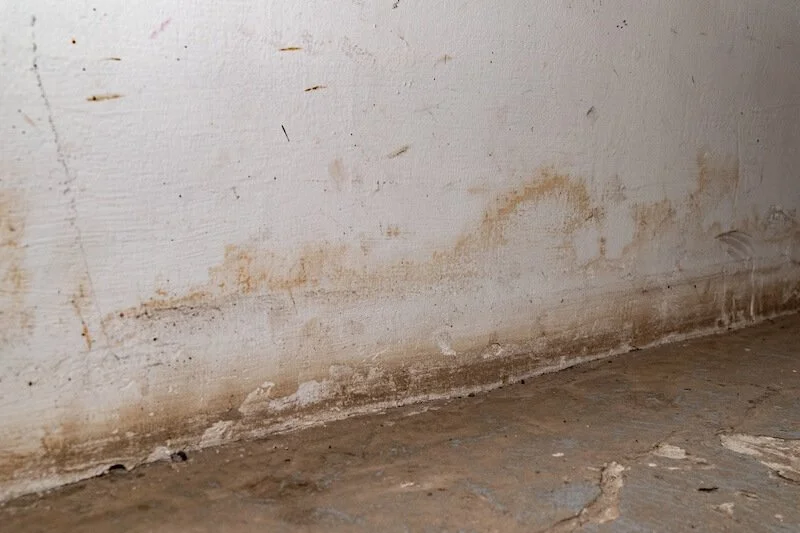
A musty smell in your basement can become a lot more noticeable in the fall. The windows are closed, the heat comes on, and suddenly that earthy smell you barely noticed over the summer seems to be everywhere.
Sometimes, the explanation is relatively simple. Basements naturally tend to hold more moisture than the rest of the house, and stored belongings, old carpet or a damp sump area can contribute to the smell.
But a musty odor can also be a clue that there's a moisture problem you haven't found yet. If the smell sticks around, gets stronger after rain or seems to be spreading into the rest of the house, it's worth figuring out where it's coming from.
What causes a musty smell in a basement?
That familiar basement smell usually has one thing in common: moisture.
You may not have standing water or an obvious leak. Moisture can build gradually from humidity, condensation, a slow plumbing leak or materials that got wet and never fully dried.
Start by looking for a few common sources.
High humidity
Basements are partly or completely below ground, which can make them cooler and damper than the rooms upstairs.
When humidity stays high, materials like cardboard, wood, carpet and fabric can absorb moisture from the air. A basement packed with boxes and furniture can make the problem harder to notice because air doesn't circulate well around those materials.
A dehumidifier may help if humidity is the main problem. If the smell keeps returning even while humidity is under control, start looking for another moisture source.
Condensation on pipes and walls
Cool pipes, foundation walls and other surfaces can collect condensation when they meet warm, humid air.
A little condensation may not look like much, but repeated moisture can keep nearby materials damp. Check around cold-water pipes and other cool surfaces for droplets, staining or damp materials.
Slow or hidden leaks
Not every plumbing leak leaves a puddle.
A slow leak behind a finished wall, around a fixture or near a pipe can keep building materials damp for weeks before you see obvious water damage.
Look for staining, peeling paint, swollen trim or drywall that feels soft. If the smell seems strongest in one part of the basement, that's a good place to investigate more closely.
Wet cardboard and stored belongings
Cardboard boxes are especially good at absorbing moisture.
Boxes stored directly on a basement floor or pushed against a damp foundation wall may stay wet without looking soaked. Paper, fabric, rugs and upholstered furniture can do the same.
If you're trying to track down an odor, pull stored belongings away from walls and check underneath them. Throw away items that stayed wet and can't be thoroughly dried.
Old carpet and padding
Carpet can look and feel dry on top while the padding underneath is still holding moisture.
This is especially worth checking if the basement has flooded before, even if the water event happened months ago. Water can get underneath carpet and remain in the padding or along the edges where airflow is limited.
If the musty smell becomes stronger near the floor, carpet and padding should be on your list of places to check.
The sump pit
A sump pit is another common source of basement odors.
Check the area for standing water, debris and signs that the pump isn't operating normally. If the smell becomes noticeably stronger as you get closer to the pit, you've narrowed down where to investigate.
Crawl spaces
An attached crawl space can contribute to a smell that seems like it's coming from the basement.
Moisture in a crawl space may affect wood framing, insulation and stored materials. Because the area is enclosed and easy to overlook, odors can sometimes be noticeable before the moisture problem itself is obvious.
If you suspect mold may be involved, Integrated Restoration provides professional mold remediation for homes throughout Cleveland and Northeast Ohio.
Is it damp, or could it be mold?
Smell alone can't tell you whether you have mold.
A basement can smell musty because it's humid or because damp belongings and building materials haven't dried completely. Mold is also associated with moisture, which is why the two problems can smell similar.
Instead of trying to identify the problem by odor alone, pay attention to what happens over time.
Does the smell improve after you've run a dehumidifier and removed damp belongings?
Does it get noticeably stronger after heavy rain?
Does the same area smell musty every time the basement gets wet?
Can you see staining, discoloration, spots or materials that are starting to warp?
Those clues can point to an ongoing moisture problem that needs more investigation.
If you see suspected mold, don't rely on its color or appearance to identify what type it is. Only laboratory testing can confirm the type of mold present.
Our guide to signs mold may be growing in your home covers other places and warning signs to look for if you suspect the issue extends beyond a damp basement.
From the Field
A homeowner may call because of the smell, not because they've seen mold.
That's why finding the moisture source comes first. If something behind a wall, underneath flooring or inside another building material is staying wet, treating the odor alone won't address what's causing it.
Where to look when your basement smells musty
You don't need to start tearing into walls.
Start with the places you can safely inspect and look for evidence of moisture, staining or materials that have changed since the last time you saw them.
Corners and exterior walls
Walk the perimeter of the basement and pay particular attention to corners and foundation walls.
Look for staining, peeling paint, damp spots or areas where stored belongings are pressed tightly against the wall.
If one part of the basement consistently smells stronger than another, spend more time there.
Behind and underneath stored boxes
Move boxes, storage bins and furniture away from walls so you can see what's behind them.
Check the bottom of cardboard boxes and anything sitting directly on the floor. If something feels damp, move it to a dry location and check the floor underneath.
Under carpet and padding
If carpet has gotten wet, the surface isn't the only part that matters.
Padding underneath can hold moisture after the carpet itself feels dry. Pay attention to areas near exterior walls, basement windows and places that have flooded in the past.
If your basement recently took on water, Integrated Restoration's residential water restoration team can check how far moisture traveled and dry affected materials.
Around basement windows
Check window wells and the areas directly underneath basement windows.
Staining around the frame, damp drywall or water marks below the window may indicate rain is finding a way inside.
If the smell tends to get worse after a storm, this is one of several exterior entry points worth checking.
Around the sump pit
Look for water that isn't draining, debris around the pit or signs that the sump pump isn't operating correctly.
If you recently had heavy rain and suspect the pump failed or couldn't keep up, don't assume everything is dry just because the standing water is gone. Moisture may remain in nearby flooring, walls or stored belongings.
Near the furnace and ductwork
The first few heating cycles of fall can make a basement odor suddenly seem much stronger throughout the house.
Your HVAC system moves air through the home. If the basement smells musty, that odor may become more noticeable once the system starts running regularly.
That doesn't automatically mean the ductwork itself is the source. Check the basement for moisture first.
If the system itself needs attention, our guide to seasonal HVAC changes and air duct cleaning explains what homeowners should look for when switching from cooling to heating.
What can you do yourself?
If you don't see significant water damage or visible mold, there are several things you can do to reduce basement moisture and see whether the smell improves.
Run a dehumidifier
The EPA recommends keeping indoor humidity below 60 percent, ideally between 30 and 50 percent when possible.
A dehumidifier can help control normal basement humidity. Give it enough time to make a difference, and use a hygrometer if you want to track the actual humidity level instead of guessing based on how the room feels.
If humidity comes down but the smell doesn't, the odor may be coming from a wet material or another moisture source.
Get stored items off the floor
Move cardboard boxes and other absorbent materials off concrete floors and away from foundation walls.
Plastic storage bins can be a better choice for basement storage, but don't use them to hide an existing moisture problem. You still want enough space around stored belongings to see the walls and floor and allow air to circulate.
Check gutters and downspouts
If the smell gets worse after rain, look outside too.
Clogged gutters and downspouts that discharge too close to the foundation can contribute to basement moisture. Our guide to why gutter cleaning matters for Cleveland homes explains what to watch for during Northeast Ohio's leaf-heavy fall months.
Routine cleanout is best handled by a local gutter service or landscaper rather than climbing onto a ladder or roof yourself.
Dry or remove anything that got wet
Don't leave wet cardboard, rugs, carpet padding or other absorbent materials sitting in the basement.
Items that can be thoroughly dried should be moved somewhere with good airflow. Materials that stayed wet and can't be properly dried may need to be discarded.
If the basement experienced a larger water event, the visible surface isn't always a good measure of whether everything underneath is dry. Our guide to how mold starts after water damage explains why the drying process matters after a leak or flood.
From the Field
A dehumidifier is useful for controlling humidity, but it can't repair a leak or dry water trapped inside a wall.
If the basement stays musty even though the humidity is under control, that's a reason to keep looking. Something may still be wet.
When to call a professional
If you've lowered the humidity, removed wet belongings and checked the obvious moisture sources but the musty smell won't go away, it's time to look more closely.
The odor may be coming from moisture somewhere you can't easily see or reach. Water can get behind finished walls, underneath flooring and into other building materials, where it can remain long after the surface looks dry.
Consider calling a professional if:
The musty smell doesn't improve or keeps coming back
The smell gets noticeably worse after rain
You can see suspected mold growth
Your basement has flooded recently
Water repeatedly enters the basement
Drywall, carpet, flooring or other materials have stayed wet
You aren't sure where the moisture is coming from
The EPA generally recommends professional help when mold covers an area larger than about 10 square feet. Smaller areas can still warrant professional attention if the moisture source hasn't been identified or affected materials can't be thoroughly dried.
Integrated Restoration's mold remediation team can inspect the affected area, identify moisture that may be contributing to the problem and determine what materials need to be cleaned or removed.
If water intrusion is still active, that needs to be addressed too. Mold cleanup without correcting the moisture problem leaves the conditions that allowed the growth to develop in the first place.
From the Field
A recent Integrated Restoration project involved a basement with repeated water intrusion, damaged flooring and mold growth. Mushrooms had even begun growing in the affected area.
We'll add the full project details here once they're available, including what was causing the moisture, what the team found during inspection and what had to be removed and restored.
Frequently asked questions
Is a musty smell always mold?
No. A musty basement can be caused by high humidity, condensation, damp carpet or cardboard, a sump pit or materials that haven't completely dried after getting wet.
But mold also grows where moisture is present, so a persistent odor is worth investigating. If the smell doesn't improve after you lower the humidity and remove damp materials, look for another moisture source rather than assuming it's just a normal basement smell.
Can I clean basement mold with bleach?
Cleaning the visible surface doesn't solve the moisture problem that allowed mold to grow.
Porous materials such as drywall, carpet and carpet padding can be difficult to clean completely once mold growth is present and may need to be removed. The source of the moisture also needs to be identified and corrected or the problem may return.
If you're unsure how much material is affected, professional mold remediation can help determine the extent of the damage and the appropriate cleanup process.
Will a dehumidifier fix a musty basement?
It can help if high humidity is the main cause.
A dehumidifier won't fix a plumbing leak, water entering after rain or moisture trapped inside building materials. If you've brought the humidity down and the basement still smells musty, look for another source.
Should I get a mold inspection before buying a house?
If you notice a persistent musty smell, visible suspected mold, staining or signs of previous water damage during a home purchase, those conditions are worth investigating before you move forward.
A visual inspection can identify areas of concern and moisture testing can help locate damp materials. If determining the type of mold is necessary, that requires laboratory testing. Mold type can't be confirmed just by looking at its color or appearance.
This can be particularly useful in older Cleveland and Northeast Ohio homes, where finished basements, past water events and years of renovations can make the history of a space difficult to see.
Can a musty basement smell spread through the rest of the house?
Yes. Air moves between different areas of your home, and your HVAC system can make an existing basement odor more noticeable upstairs once heating or cooling equipment starts running regularly.
That doesn't necessarily mean your air ducts are causing the smell. Find and address the moisture source first. If the ductwork itself also needs attention, Integrated Restoration provides residential air duct cleaning.
Final thoughts
A musty smell in your basement isn't enough to tell you exactly what's happening, but it is a reason to look around. Check the humidity, inspect stored materials and watch for places where water may be getting in. If the smell persists or returns after rain, finding the moisture source is more useful than trying to cover the odor.