Signs Mold May Be Growing in Your Home — and What to Do Next
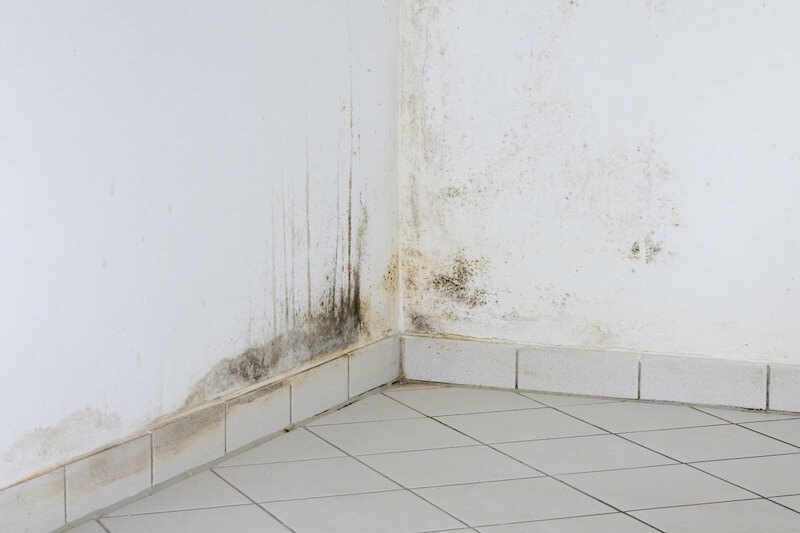
Mold isn’t always obvious — and in many Northeast Ohio homes, it starts quietly after a leak, storm, or moisture issue.
You might notice a musty smell. A small dark spot on the wall. Or maybe nothing at all.
But behind the surface, mold can begin growing within 24–48 hours when moisture is present — especially in areas like basements, attics, and inside walls.
Knowing what to look for can help you catch mold early, prevent it from spreading, and avoid more costly restoration work.
What Causes Mold Growth in Homes?
Mold needs two things to grow: moisture and organic material.
In homes and buildings, that typically means materials like drywall, wood, carpet, and insulation — all of which can retain moisture after water damage.
Common sources of moisture include:
Plumbing leaks behind walls or under sinks
Roof leaks allowing water into ceilings and attics
Appliance malfunctions (washing machines, dishwashers, water heaters)
Storm damage and flooding
High humidity and poor ventilation
Basement seepage and foundation cracks
Sewage backups
Many of these issues develop slowly or go unnoticed, which is why mold problems often appear after the fact. Learn more about the most common causes of water damage in NEO homes here.
Early Signs Mold May Be Growing
Mold doesn’t always show up as obvious black patches. In many cases, the first signs are subtle.
Watch for:
Musty or damp odors (especially in basements or enclosed areas)
Dark spots or discoloration on walls, ceilings, or floors
Peeling paint or bubbling drywall
Warped wood or soft materials
Persistent humidity or dampness
Increased allergy symptoms indoors
If something feels off, it’s worth investigating further. Learn more about how to spot mold.
Where Mold Commonly Grows
Mold tends to develop in areas where moisture lingers or airflow is limited.
Common problem areas include:
Basements and crawl spaces
Bathrooms and kitchens
Attics with poor ventilation
Behind drywall or insulation
Under flooring or carpet
Around windows and doors
Because many of these areas are hidden, mold can spread before it’s visible.
Why Mold Spreads Quickly
Once mold begins growing, spores can travel through the air and settle in other parts of the home.
Without proper containment and removal, mold can spread to:
HVAC systems
Adjacent rooms
Ceiling cavities
Flooring materials
This is why professional remediation focuses on both removing the mold and addressing the underlying moisture issue.
Learn more about our Mold Remediation Services.
What to Do If You Suspect Mold
If you think mold may be present, taking the right steps early can prevent it from spreading.
Start with:
Identifying and stopping the moisture source
Avoiding disturbance of visible mold
Increasing ventilation if possible
Documenting affected areas
Contacting a professional for evaluation
It’s important not to rely on surface cleaning alone — especially if the source of moisture hasn’t been resolved.
Why Professional Mold Remediation Matters
Mold problems are often more complex than they appear.
Professional remediation helps ensure:
Safe removal of contaminated materials
Proper containment to prevent spread
Complete drying of affected areas
Identification of hidden moisture
Prevention of future mold growth
For properties that have experienced water damage, this often goes hand-in-hand with Residential Water Restoration Services.
Why Homeowners in Northeast Ohio Choose Integrated Restoration
When mold is suspected, choosing the right team makes a difference.
As a family-owned company based in Cleveland, Integrated Restoration helps homeowners and property managers navigate mold issues with clarity and confidence.
Our team provides:
Professional mold inspection and remediation
Moisture detection and structural drying
Full-service restoration if damage has spread
Clear communication throughout the process
Local expertise with Northeast Ohio homes and climate conditions
We focus on solving the root problem — not just treating the symptoms.