
Why House Fires Increase During Cold Snaps (and How to Prevent Them)
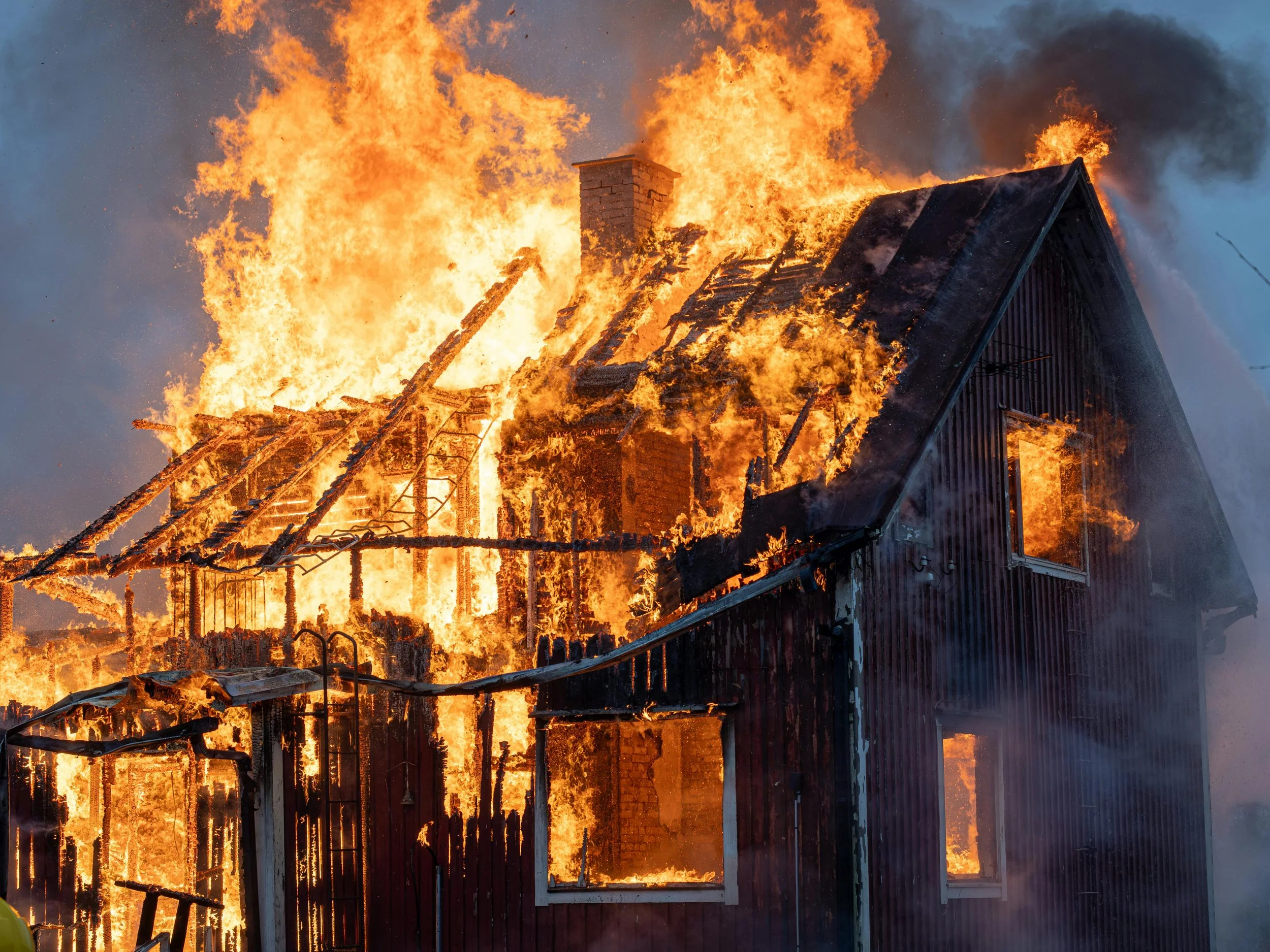
When temperatures drop across Cleveland and Northeast Ohio, house fire risks rise. During extreme cold snaps, families spend more time indoors, heating systems run nonstop, and space heaters become a daily fixture in homes and offices alike. Unfortunately, these conditions create the perfect environment for accidental fires.
At Integrated Restoration, we see a noticeable uptick in residential fire damage during the coldest weeks of winter. The good news? Many winter house fires are preventable. Below, we break down why fires increase during cold weather, how homeowners (and even small offices) can reduce their risk, and what to do if a fire does occur.
Why Cold Weather Increases Fire Risk
Cold snaps change daily habits — and those changes often increase fire hazards:
Heating systems work harder and longer
Space heaters are used more frequently
Cooking increases as people stay home
Electrical systems are under a heavier load
Fireplaces and wood stoves see more use
In older Cleveland homes, especially, outdated wiring, aging furnaces, and uninsulated spaces add another layer of risk during extended cold weather.
Common Causes of Winter House Fires
Space Heaters
Space heaters are one of the leading causes of winter fires. They’re convenient, but also dangerous when used improperly.
Fire risks include:
Heaters placed too close to furniture or bedding
Older units without tip-over protection
Plugging heaters into extension cords
Leaving heaters running unattended
This isn’t just a homeowner issue — space heaters are also commonly used (and forgotten) in offices, break rooms, and workshops during cold snaps.
Prevention tips:
Keep heaters at least 3 feet from anything flammable
Plug directly into a wall outlet
Use models with automatic shut-off and tip-over protection
Turn heaters off before leaving the room or going to sleep
Fireplaces & Wood-Burning Stoves
Fireplaces provide warmth, but sparks, embers, and creosote buildup can lead to dangerous situations.
Common winter mistakes:
Burning unseasoned or inappropriate wood
Skipping chimney cleanings
Leaving fires unattended
Not using a protective screen
Prevention tips:
Have chimneys inspected and cleaned annually
Use a fireplace screen at all times
Fully extinguish fires before leaving the room
Cooking Fires
Cold weather means more meals cooked at home — and more cooking-related fires.
How they start:
Unattended stovetops
Overheated oil
Grease buildup near burners
Prevention tips:
Stay in the kitchen while cooking
Keep flammable items away from burners
Never use water on a grease fire — smother flames with a lid or baking soda
Overloaded Electrical Systems
During cold snaps, electrical demand spikes. Between heaters, electronics, and lighting, circuits can easily become overloaded.
Watch for:
Frequently tripped breakers
Flickering lights
Warm outlets or burning smells
These warning signs are especially common in older homes and commercial buildings with outdated electrical systems.
How to Prevent House Fires During Extreme Cold
Simple steps can significantly reduce fire risk during winter:
Test smoke alarms monthly
Keep fire extinguishers on every level of your home
Schedule annual furnace and chimney inspections
Avoid using extension cords for heaters
Unplug unused appliances
Never leave heating equipment unattended
Keep space heaters on hard, level surfaces
If you live in an older Cleveland home, consider a professional safety inspection before or during prolonged cold spells.
What to Do If a Fire Occurs
Even with precautions, fires can still happen. Knowing what to do next can protect your family and your property.
Get everyone out safely. Do not attempt to save belongings.
Call 911 immediately.
Do not re-enter the property. Smoke, soot, and structural damage can be dangerous.
Document damage if it’s safe to do so. Photos and videos help with insurance claims. Learn more on our Insurance Support page.
Call a professional fire restoration company.
Fire damage doesn’t end when flames are extinguished. Smoke spreads through walls and HVAC systems, soot is acidic and corrosive, and water from firefighting efforts often causes secondary damage. Our Residential Fire Restoration team handles cleanup, odor removal, drying, repairs, and full reconstruction.