Found Mold After Water Damage? Here's What Northeast Ohio Homeowners Should Do
In Northeast Ohio, mold usually isn't the first problem homeowners face. It's the second.
It often starts with something that doesn't seem like a major issue at the time. Maybe a roof leaked during a heavy storm. A washing machine hose burst overnight. Water seeped into the basement after several days of rain. The immediate cleanup gets done, life moves on, and everything appears to be back to normal.
Then, days or weeks later, a musty odor appears. A ceiling stain gets a little darker. Paint begins to bubble. Suddenly, there's a new problem to deal with.
At Integrated Restoration, we've helped homeowners across Cleveland and Northeast Ohio recover from water damage for more than two decades. A common misconception we hear is, "Everything looked dry, so we thought we were okay."
It's an understandable assumption. Unfortunately, moisture doesn't always behave the way we expect.
Water can remain trapped inside drywall, insulation, wood framing, and flooring long after the visible signs of water damage disappear. When that hidden moisture isn't properly removed, it creates the ideal environment for mold to grow.
The good news is that mold can often be prevented when water damage is addressed quickly and thoroughly. Knowing what to look for and when to call a professional can make all the difference.
Why Mold Develops After Water Damage
Many homeowners assume mold is caused by standing water.
That's only part of the story.
The real issue is the moisture that's left behind after the obvious water has been removed.
Building materials naturally absorb water. Drywall, insulation, subflooring, trim, and wood framing all hold moisture differently. While the surface of a wall or floor may feel dry after a day or two, the materials beneath can remain damp for much longer.
That's why simply using towels, household fans, or a wet vacuum isn't always enough after a significant leak or flood.
At Integrated Restoration, our goal isn't just to remove the water you can see. We focus on drying the entire structure.
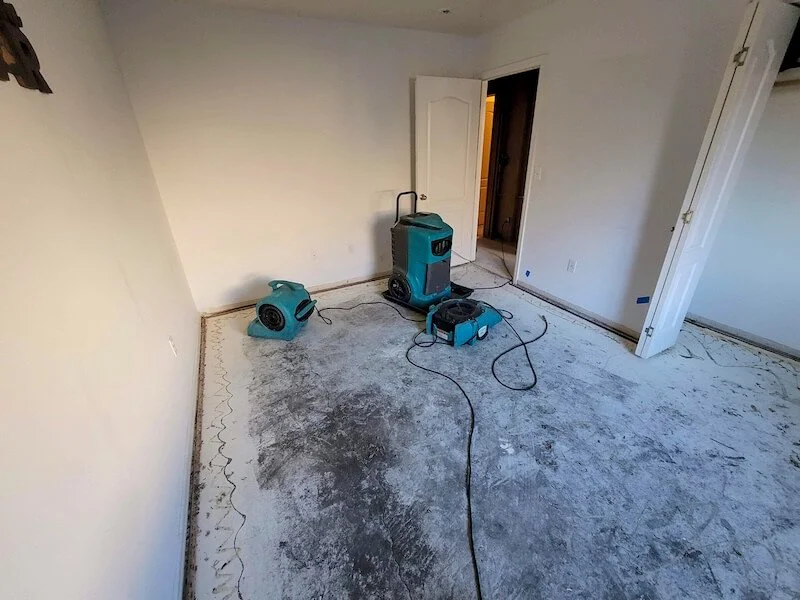
Using commercial dehumidifiers, high-capacity air movers, moisture meters, and thermal imaging technology, our team identifies hidden moisture before it has the opportunity to become a mold problem.
That's also why acting quickly matters. Mold can begin developing within 24 to 48 hours when moisture remains trapped inside building materials.
From the Field
Homeowners regularly tell us, "Everything looked dry, so we thought we were okay."
It's a completely reasonable assumption.
The challenge is that moisture often hides where you can't see it. We frequently find elevated moisture levels inside drywall, beneath flooring, or within insulation that appears perfectly normal from the outside.
That's why every significant water loss should include professional moisture detection. It helps confirm the structure is actually dry instead of simply looking dry.
Water Damage Situations We See Most Often in Northeast Ohio
Every restoration project has its own story, but many begin with similar situations.
These are some of the most common causes of water damage we respond to throughout Cleveland and Northeast Ohio, along with the mold problems that can follow when moisture isn't completely removed.
Roof Leaks After Storms
After a strong storm moves through Northeast Ohio, we often hear homeowners say they didn't think the roof sustained much damage.
Sometimes they're right.
Other times, a few missing shingles, damaged flashing, or minor hail damage is enough to allow water into the attic or wall cavities.
Those spaces aren't part of everyday life, so the problem often goes unnoticed until a stain appears on the ceiling or a musty smell develops indoors.
By that point, moisture may have been trapped inside insulation or framing for days.
That's why it's important to have roof damage inspected promptly after severe weather, even if everything inside the home appears normal.
Slow Plumbing Leaks
Not every water loss happens all at once.
Some of the most expensive mold remediation projects begin with a slow leak hidden behind a bathroom wall or beneath a kitchen sink.
Because the leak develops gradually, homeowners often don't discover it until they notice peeling paint, soft drywall, warped flooring, or a persistent musty odor.
Watch for signs like:
Bubbling or peeling paint
Soft drywall
Warped flooring
Musty smells
An unexplained increase in your water bill
Finding these issues early can significantly reduce both the scope and cost of repairs.
Appliance Failures
Washing machines, dishwashers, refrigerators, and water heaters are some of the most common sources of unexpected water damage.
Unfortunately, they also tend to fail at the worst possible times.
We regularly respond to calls where a washing machine hose burst overnight or a water heater leaked while the homeowner was away for the weekend.
Even when standing water is cleaned up quickly, moisture often remains beneath flooring, inside cabinets, and behind baseboards.
If those areas aren't dried properly, mold can begin developing long before homeowners realize there's still moisture present.
Basement Water Intrusion
Many homes throughout Cleveland, Lakewood, Parma, Rocky River, and the surrounding communities have older foundations that are more susceptible to moisture.
Heavy rain, poor drainage, foundation cracks, and aging waterproofing systems can all allow water to enter the basement.
Basements also tend to stay cooler and more humid than the rest of the home, making them an ideal environment for mold if moisture isn't addressed.
If your basement consistently smells damp, even when there's no standing water, it's worth investigating further.
Flooding and Severe Weather
Whether it's caused by heavy rainfall, a failed sump pump, or localized flooding, storm-related water damage introduces a tremendous amount of moisture into a home in a very short period of time.
Floodwater can quickly saturate:
Carpet and padding
Drywall
Insulation
Hardwood flooring
Furniture
Structural framing
Many homeowners are surprised by how far water can travel beneath floors and behind walls.
Professional drying becomes especially important after flooding because the damage often extends well beyond what can be seen with the naked eye.
Where Mold Commonly Hides
Mold doesn't usually grow out in the open.
It develops where moisture lingers, and those areas are often hidden from view.
Some of the most common places we discover mold include:
Behind Drywall
Water can travel inside wall cavities long before it becomes visible on painted surfaces.
Under Flooring
Hardwood, laminate, and luxury vinyl flooring can trap moisture underneath the finished surface, even when the top looks completely dry.
Inside Insulation
Insulation absorbs and holds moisture extremely well. Without proper drying or replacement, it can remain damp long after surrounding materials appear normal.
Attics
Even a small roof leak can create hidden moisture problems above ceilings where mold has plenty of time to develop unnoticed.
Crawl Spaces
Poor ventilation and naturally damp conditions make crawl spaces especially vulnerable throughout Northeast Ohio.
HVAC Systems
If mold develops near return vents or ductwork, spores can circulate throughout the home each time the HVAC system runs.
Signs Mold May Already Be Growing
Visible mold is only one warning sign.
More often, homeowners notice smaller changes first.
Pay attention if you notice:
A persistent musty odor
Bubbling or peeling paint
Dark stains on walls or ceilings
Warped drywall or trim
Soft building materials
Allergy or asthma symptoms that seem worse indoors
Dampness or condensation that doesn't improve
Not Every Dark Spot Is Mold, and Not Every Mold Looks the Same
It's natural to worry when you notice discoloration on a wall or ceiling after water damage. But it's important to remember that you can't identify the type of mold by looking at it alone.
Different mold species can look very similar, and factors like dirt, water stains, or other surface contaminants can sometimes be mistaken for mold altogether.
If there's concern about the type of mold present, laboratory testing is the only way to identify it with certainty. Testing isn't necessary for every situation, but it can be valuable when there are health concerns, questions about the extent of contamination, or uncertainty about what you're seeing.
We focus first on identifying the source of the moisture and evaluating the affected materials. When testing is appropriate, we can coordinate independent third-party testing when it makes sense for the situation.
If you've recently dealt with water damage and you're seeing any of these signs, it's a good idea to schedule a professional inspection before the problem spreads further.
Why Waiting Usually Makes the Problem Worse
Many homeowners hope the area will simply dry out on its own.
Sometimes it does.
Unfortunately, hidden moisture often sticks around much longer than expected.
As mold continues to grow, it can spread into nearby drywall, insulation, flooring, and framing. What might have started as a relatively small remediation project can quickly become a much larger restoration.
Waiting can also lead to:
More extensive structural repairs
Stronger odors throughout the home
Reduced indoor air quality
Longer restoration timelines
Higher repair costs
Addressing moisture early is almost always easier, less disruptive, and less expensive than waiting until mold becomes visible.
What Professional Mold Remediation Actually Looks Like
Many homeowners picture mold remediation as spraying a cleaning product on the affected area, wiping it down, and repainting the wall.
We wish it were that simple.
Visible mold is often just the symptom. The bigger issue is the moisture that allowed it to grow in the first place. If that moisture isn't identified and addressed, there's a good chance the mold will return.
That's why every remediation project at Integrated Restoration starts with understanding why mold developed.
Every home is different, but our process generally follows these steps.
Step 1: Find the Source of the Moisture
Before any cleanup begins, we identify where the water came from.
That might be:
A roof leak
A plumbing issue
Basement seepage
A leaking appliance
Storm damage
High indoor humidity
Poor ventilation
Cleaning mold without solving the moisture problem is only a temporary fix.
Step 2: Determine How Far the Moisture Spread
Water rarely stays where it started.
It travels through framing, insulation, flooring, and wall cavities, often reaching areas homeowners would never suspect.
Our team uses moisture meters and thermal imaging equipment to locate hidden moisture and determine:
How far the water migrated
Which materials can be dried and saved
Which materials should be removed
Where containment will be needed
Instead of making assumptions, we build a restoration plan based on what's actually happening inside the home.
Step 3: Protect the Rest of the Home
Before remediation begins, we isolate the affected area to help keep mold spores from spreading to other parts of the house.
Depending on the project, this may include:
Temporary containment barriers
Negative air pressure
HEPA air filtration equipment
This helps keep the remediation area contained while work is underway.
Step 4: Remove Damaged Materials
Not every material can be restored.
If drywall, insulation, carpet, or other porous materials have been significantly affected by mold or prolonged moisture, they may need to be removed.
Whenever possible, we remove only what's necessary while preserving the surrounding structure.
Our goal is always to restore as much of your home as we safely can.
Step 5: Dry, Clean, and Restore
Once damaged materials have been removed, we thoroughly clean and dry the remaining structure.
Depending on the project, this may include:
HEPA vacuuming
EPA-approved antimicrobial treatments
Structural drying
Air filtration
Moisture verification
Only after moisture levels have returned to acceptable levels do reconstruction and repairs begin.
For homeowners, that's one of the biggest advantages of working with Integrated Restoration.
Instead of coordinating multiple contractors, you'll have one experienced team managing the project from emergency response through reconstruction.
From the Field
A lot of homeowners think mold remediation starts with removing mold.
It doesn't.
It starts with finding moisture.
If the moisture problem isn't solved, there's a good chance the mold problem isn't solved either. That's why every successful remediation project begins with understanding how the water got there in the first place.
Can You Clean Mold Yourself?
This is one of the questions we hear most often.
The answer depends on why the mold developed.
If you're dealing with a small amount of surface mold caused by everyday humidity in a bathroom, routine cleaning and better ventilation may be enough.
Water damage is a different situation.
If mold developed after a roof leak, basement flooding, a plumbing failure, or another significant water event, cleaning the visible mold usually doesn't solve the underlying issue.
Hidden moisture may still be trapped behind drywall, beneath flooring, or inside insulation. Surface cleaning won't reach those areas.
If you're unsure how extensive the damage is, it's worth having the area professionally evaluated. Catching hidden moisture early is almost always simpler and less expensive than dealing with a larger remediation project later.
Why Homeowners Throughout Northeast Ohio Choose Integrated Restoration
Choosing a restoration company isn't just about removing mold.
It's about making sure your home is safe, dry, and fully restored.
As a family-owned company serving Northeast Ohio for more than two decades, Integrated Restoration understands both the technical side of mold remediation and the stress homeowners experience after unexpected property damage.
Homeowners trust our team because we provide:
IICRC-certified technicians trained in industry best practices
Professional moisture detection and structural drying
EPA-approved antimicrobial treatments
Water damage restoration and mold remediation under one roof
Reconstruction services after remediation is complete
Assistance working with insurance companies throughout the claims process
Clear communication from the first phone call through the final walkthrough
Most importantly, we don't just focus on removing mold.
We focus on helping homeowners understand what happened, restoring the damage properly, and reducing the chances of the problem returning.
Common Questions We Hear from Homeowners
"The carpet feels dry. Should I still worry about mold?"
Possibly.
Carpet often dries much faster than the materials underneath it. Moisture can remain trapped inside subflooring, drywall, insulation, and framing long after the visible water is gone.
If your home experienced significant water damage, professional moisture detection can help determine whether hidden moisture is still present.
"How quickly can mold begin growing?"
Under the right conditions, mold can begin developing within 24 to 48 hours after water exposure.
That's why quick action is so important. The sooner moisture is removed, the lower the risk of mold becoming a much larger problem.
"Will my homeowner's insurance cover mold remediation?"
It depends on what caused the water damage and the details of your insurance policy.
If mold developed because of a covered event, such as a burst pipe or storm damage, remediation may be covered.
Our team regularly works with homeowners and insurance adjusters throughout the claims process and can help document the damage along the way.
"How do I know it's time to call a professional?"
If you've recently experienced water damage and you're noticing:
Musty odors
Staining or discoloration
Bubbling paint
Soft drywall
Persistent dampness
Allergy symptoms that seem worse indoors
...it's a good idea to schedule an inspection.
The sooner hidden moisture is identified, the easier the restoration process usually is.
“Can you tell what type of mold I have just by looking at it?”
No.
While visible discoloration and musty odors can certainly indicate mold growth, it's not possible to identify a specific mold species based on appearance alone. Many different types of mold look similar, and even experienced restoration professionals don't identify mold by color or texture alone.
If it's important to determine exactly what type of mold is present, laboratory analysis is required. We can coordinate testing through an independent third-party environmental professional, so you get unbiased results before any remediation begins.
Final Thoughts
Water damage doesn't always end when the water disappears.
In many Northeast Ohio homes, the bigger problem develops later, when moisture remains trapped inside the structure and mold begins to grow where no one can see it.
That's why the first few days after a leak, flood, or storm are so important.
Drying the structure completely can often prevent mold from developing in the first place. If mold has already started growing, addressing it early usually means a simpler restoration process and less disruption for your family.
If you've experienced water damage recently and something doesn't seem right, trust your instincts.
A professional inspection can provide peace of mind and help catch hidden moisture before it becomes a much larger issue.